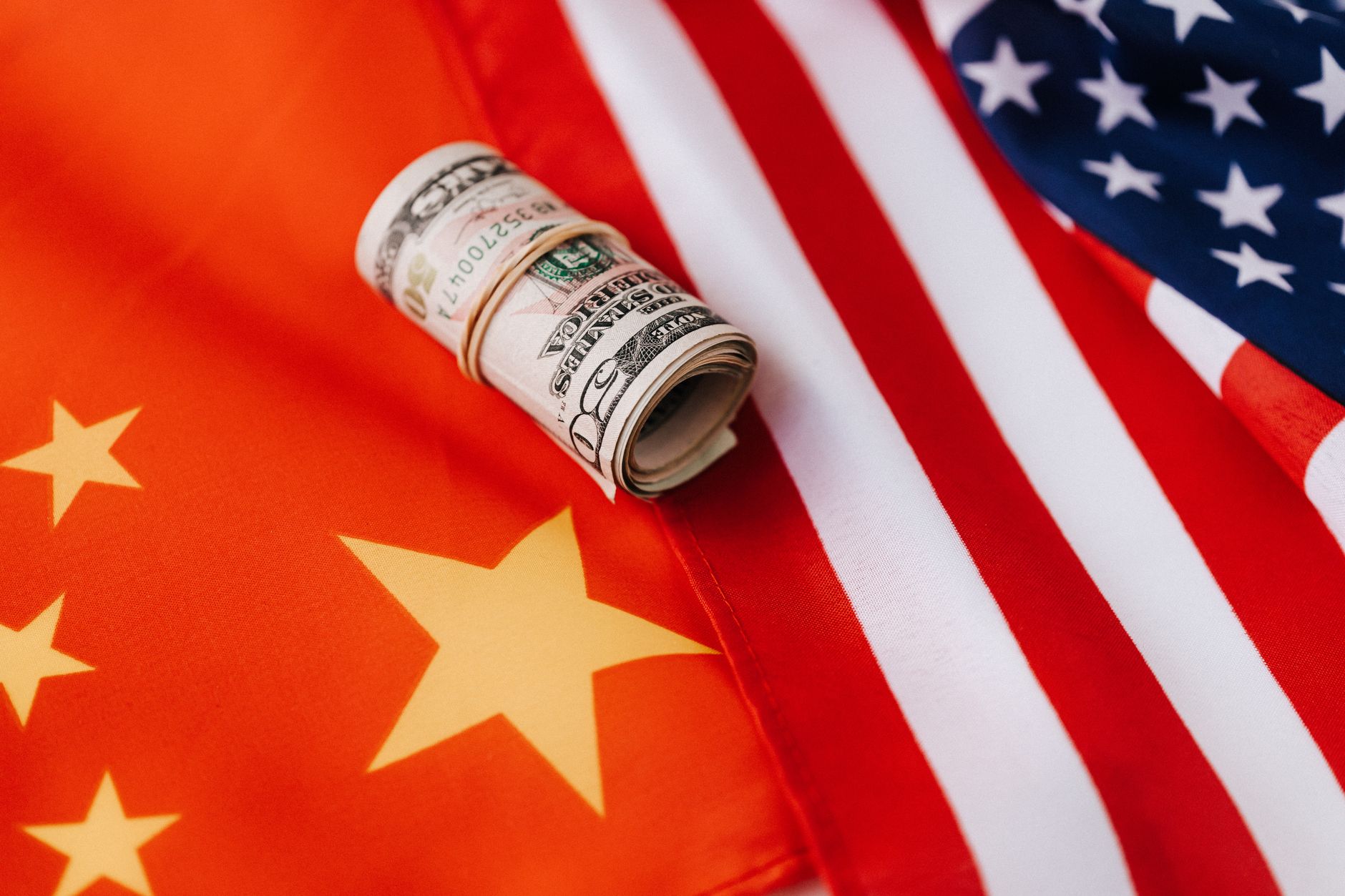
US China trade truce: Clear Insights on Current Relations
US China trade truce remains a critical topic as Trump and Xi meet to navigate their complex relationship amid economic uncertainties.
Overview of the US China Trade Truce
The recent US China trade truce has sparked both optimism and skepticism among analysts and policymakers. This fragile agreement comes in the wake of a series of high-level meetings between U.S. President Donald Trump and Chinese President Xi Jinping. Their discussions aimed to ease tensions that have escalated in recent years due to tariffs and trade barriers.
While both nations have expressed a commitment to resolving ongoing disputes, the details of the truce remain unclear. Observers note that the lack of concrete measures could undermine the potential for lasting peace in trade relations. Key points of contention include:
- Intellectual property rights
- Market access
- Currency manipulation
As stakeholders await further developments, the stability of the US China trade truce will be crucial for global economic health.
Key Issues on the Agenda
The ongoing US China trade truce has brought several key issues to the forefront of discussions between the two nations. As leaders navigate the complexities of their economic relationship, several critical topics remain on the agenda.
- Tariff Reductions: Both sides are contemplating potential reductions in tariffs to ease trade tensions and stimulate economic growth.
- Intellectual Property Rights: The protection of intellectual property continues to be a major concern, with calls for stronger enforcement and compliance measures.
- Supply Chain Stability: Ensuring a stable supply chain has become increasingly important, particularly in the wake of global disruptions.
- Future Trade Agreements: Discussions about new trade agreements are underway, aiming to define the future of US-China economic relations.
These issues will be crucial as both nations strive to maintain a fragile peace in their trade relations.
Economic Impacts of the Meeting
The recent meeting between U.S. President Donald Trump and Chinese President Xi Jinping has brought to light various economic impacts as both nations navigate their complex relationship. The US China trade truce aims to stabilize market fluctuations and foster cooperative economic engagement. Experts have noted several key areas of focus:
- Tariff Adjustments: Potential reductions or modifications in tariffs could ease pressure on businesses and consumers.
- Supply Chain Stability: Both countries are exploring ways to ensure more reliable supply chains amidst ongoing tensions.
- Investment Opportunities: Increased dialogue may lead to new investment avenues that benefit both economies.
However, challenges remain as both leaders recognize that long-term solutions will require continued negotiation and goodwill.
Reactions from Global Leaders
The recent US China trade truce has elicited a range of reactions from global leaders, reflecting the wider implications of the agreement.
- European Union: EU officials expressed cautious optimism, noting that a stable US-China relationship is crucial for global trade.
- Japan: Japanese Prime Minister emphasized the need for both nations to resolve their differences, highlighting the potential benefits for the Asia-Pacific region.
- India: India’s government welcomed the truce, viewing it as an opportunity to strengthen its own trade relations with both countries.
- Australia: Australian leaders urged for continued dialogue, believing that a harmonious US-China relationship would bolster regional economic stability.
As reactions unfold, the international community remains watchful, hoping the US China trade truce leads to sustained collaboration and reduced tensions.
Future of US China Relations
The future of US-China relations remains uncertain despite the recent trade truce. While both countries have expressed a desire to stabilize their economic ties, underlying tensions persist. Key areas of contention, such as technology transfers and tariffs, will require ongoing negotiation and compromise.
Analysts suggest that the US-China trade truce could pave the way for more comprehensive agreements, but significant challenges lie ahead. The political climate in both nations may influence the trajectory of their relationship, with domestic pressures potentially impacting foreign policy decisions.
Furthermore, multilateral engagements and alliances might reshape how both countries approach trade. Global leaders are watching closely, as the outcome of these discussions will not only affect US and China but also have far-reaching implications for the global economy.
In conclusion, the path forward for US-China relations will depend on mutual interests and the ability to navigate complex issues collaboratively.
Historical Context of Trade Negotiations
The historical context of trade negotiations between the US and China reveals a complex relationship shaped by economic ambitions and strategic competition. Over the past few decades, both nations have engaged in various rounds of talks aimed at resolving trade tensions, often characterized by fluctuating tariffs and regulatory challenges.
Significant milestones include:
- The 2001 Accession: China joined the World Trade Organization, opening its markets to global competition.
- The 2018 Tariff Escalation: The US imposed tariffs on Chinese goods, prompting retaliatory measures from China.
- The Phase One Deal: In early 2020, both nations reached a temporary agreement aimed at easing tensions.
As the US-China trade truce evolves, understanding this historical backdrop is essential for grasping the current dynamics and future implications of their economic relationship.
What’s Next for Both Nations
As the US China trade truce unfolds, both nations are faced with critical decisions that could shape their economic futures. Moving forward, the focus will be on several key areas:
- Tariff Adjustments: Both countries may consider revising existing tariffs to promote trade.
- Technology Exchange: Discussions around technology transfer might lead to new agreements or regulations.
- Supply Chain Resilience: Ensuring a stable supply chain will be paramount for both economies.
- Climate Initiatives: Collaboration on climate change could become a new avenue for cooperation.
While the US China trade truce has brought temporary relief, the road ahead is fraught with uncertainties. Both nations must navigate complex political landscapes while fostering a more constructive dialogue to avoid escalating tensions.
Photo by https://kaboompics.com/ on Pexels