European Security Council: A Smart Response to Trump and Putin
European Security Council is being pitched by Von der Leyen in response to Trump and Putin’s actions. This initiative aims to strengthen Europe’s geopolitical stance.
Introduction to the European Security Council
The concept of a European Security Council has gained traction as a strategic response to the shifting dynamics of global politics, particularly in light of recent tensions involving leaders such as Donald Trump and Vladimir Putin. In a rapidly changing geopolitical landscape, the need for a cohesive European approach to security has never been more critical.
President of the European Commission, Ursula von der Leyen, has been a prominent advocate for establishing this council. She emphasizes that a unified European stance is essential in addressing both external threats and internal challenges. The proposed European Security Council aims to enhance collaborative decision-making processes among EU member states, thereby fortifying Europe’s defense posture.
Key benefits of the European Security Council include:
- Enhanced Coordination: Streamlining defense strategies among member nations.
- Collective Response: Formulating unified responses to security threats.
- Increased Influence: Strengthening Europe’s voice on the global stage.
As geopolitical uncertainties loom large, the establishment of a European Security Council could serve as a vital mechanism for ensuring stability and security across the continent.
Von der Leyen’s Vision for Europe
In a recent speech, European Commission President Ursula von der Leyen outlined her vision for a strengthened European Security Council as a strategic response to global challenges posed by leaders like Trump and Putin. She emphasized the need for a more unified and resilient Europe capable of addressing both internal and external threats.
Von der Leyen’s proposal includes several key elements:
- Enhanced Collaboration: Strengthening ties among EU member states to foster a collective approach to security.
- Proactive Stance: Encouraging Europe to take a more assertive role in international affairs, particularly in the face of aggressive foreign policies.
- Investment in Defense: Increasing funding for defense initiatives to ensure readiness against potential threats.
- Diplomatic Engagement: Promoting dialogue with both allies and adversaries to mitigate tensions and encourage peace.
Von der Leyen’s vision for the European Security Council aims not only to safeguard the continent but also to position Europe as a significant global player. By responding decisively to the challenges posed by leaders like Trump and Putin, Europe can assert its values and interests on the world stage.
Responses from Trump and Putin
In recent statements, both President Donald Trump and President Vladimir Putin have expressed skepticism about multilateral security arrangements, prompting a strong response from European leaders. The proposed European Security Council aims to unify European nations in addressing the shifting geopolitical landscape.
Trump, known for his “America First” policy, has often questioned the value of NATO and other international alliances. He argues that such agreements disproportionately benefit European nations at the expense of American interests. This perspective has raised concerns among European leaders, who feel the need for a more cohesive response to global threats.
On the other hand, Putin’s assertive foreign policy, characterized by military interventions and the annexation of territories, has further complicated security dynamics in Europe. His actions have prompted calls for a stronger European defense posture, which the European Security Council seeks to establish.
As both leaders continue to challenge traditional alliances, the European Security Council is seen as a necessary step towards enhancing collective security. It aims to foster collaboration among European nations, ensuring that they can effectively respond to threats posed by external actors and maintain stability within the region.
Implications for NATO
The establishment of a European Security Council (ESC) could have profound implications for NATO and its member states. As the geopolitical landscape evolves, the ESC aims to provide a more unified and coherent European response to security challenges, particularly in the context of unpredictable leadership from figures like Trump and Putin.
One significant implication is the potential for enhanced military collaboration among European nations. With the ESC, member states may be encouraged to increase defense spending and improve interoperability among their armed forces. This could lead to a more robust European defense identity that complements NATO rather than competes with it.
Furthermore, the ESC’s focus on diplomacy and crisis management could lead to a reduction in military tensions. By fostering dialogue and cooperation, the Council may help to mitigate aggressive actions from external threats, thereby reinforcing NATO’s collective security framework.
However, there are concerns regarding the balance of power within NATO. Some member states fear that the ESC could dilute the leadership role of the United States, potentially leading to divisions within the alliance. As discussions continue, the implications for NATO will be closely watched, with the European Security Council serving as a pivotal element in the future of European defense policy.
Reactions from EU Member States
Reactions from EU member states to the proposal of a European Security Council have varied, reflecting differing national interests and security priorities. Several countries have expressed strong support for the initiative, viewing it as a necessary step towards greater autonomy in defense matters.
- France has been a prominent advocate, emphasizing the need for a unified European stance in response to global threats.
- Germany echoed these sentiments, suggesting that a European Security Council could enhance diplomatic efforts and foster collaboration among member states.
- Italy also welcomed the proposal, acknowledging the shifting geopolitical landscape necessitated by the actions of leaders like Trump and Putin.
Conversely, some countries have raised concerns about potential overlaps with NATO responsibilities. Poland and the Baltic states expressed fears that the establishment of a European Security Council might undermine transatlantic relations, prioritizing European interests over collective defense initiatives.
Ultimately, the response from EU member states underscores a crucial dialogue on how best to navigate security challenges in an increasingly polarized world, with the European Security Council positioned as a pivotal element in this discourse.
Historical Context of European Security
The concept of a European Security Council has gained traction in recent years, particularly in light of shifting global power dynamics. Historically, Europe has faced numerous challenges that have necessitated a unified response to security threats. Major events such as the Cold War, the Balkan conflicts, and the rise of terrorism have underscored the need for a cohesive security strategy among European nations.
As the international landscape evolves, the responses of leaders like Trump and Putin have prompted European nations to reconsider their security frameworks. The European Security Council aims to enhance collaboration and streamline decision-making processes regarding defense and foreign policy. By establishing this council, EU member states can better coordinate their efforts to address emerging threats, such as cyberattacks and geopolitical tensions.
Furthermore, the historical context reveals that previous attempts at collective security, such as the Western European Union, have often been hampered by political divisions. The establishment of a European Security Council represents an opportunity to overcome these challenges and create a more resilient and responsive security architecture in Europe.
Emphasizing unity and strategic foresight, the European Security Council seeks to position Europe as a formidable player on the global stage, capable of effectively responding to both old and new security challenges.
Potential Challenges Ahead
As the concept of the European Security Council gains traction, several potential challenges loom on the horizon. One significant concern is the divergence in interests among EU member states, which could hinder cohesive decision-making. While some nations may prioritize military readiness, others might focus on diplomatic solutions, creating friction during critical discussions.
Additionally, the influence of external powers such as the United States and Russia poses a challenge. The European Security Council must navigate its relationship with NATO while asserting its own strategic autonomy. This balancing act could lead to tensions within the alliance, especially if member states perceive a shift in U.S. support.
Moreover, the internal political landscape of the EU can also impact the effectiveness of the council. Rising populism and nationalism in various member states may steer foreign policy away from collective action, complicating efforts to present a united front in global affairs.
Lastly, securing adequate funding and resources for the European Security Council is essential. Without a clear commitment from member states, the council may struggle to implement its initiatives effectively.
In light of these challenges, the European Security Council must devise strategies to ensure its efficacy while remaining adaptable to the evolving geopolitical landscape.
Conclusion and Future Outlook
In conclusion, the establishment of the European Security Council represents a pivotal moment in the evolution of European defense and diplomatic strategy. As global tensions rise, particularly in the wake of unpredictable actions from leaders like Trump and Putin, the need for a cohesive and unified European response has never been more critical. The European Security Council aims to address these challenges head-on, fostering collaboration among EU member states and ensuring that Europe speaks with a single voice on security matters.
Looking ahead, the success of the European Security Council will depend on several factors. First, the willingness of member states to prioritize collective security over national interests will be essential. Additionally, ongoing dialogue with NATO and other international partners must be maintained to avoid fragmentation of efforts.
Furthermore, the council will need to navigate potential internal disagreements among member states regarding military engagements and foreign policy. It is vital that the European Security Council not only responds to present challenges but also anticipates future threats, adapting its strategies accordingly.
Ultimately, the European Security Council could emerge as a cornerstone of a more secure and unified Europe, ready to face the complexities of a rapidly changing global landscape.
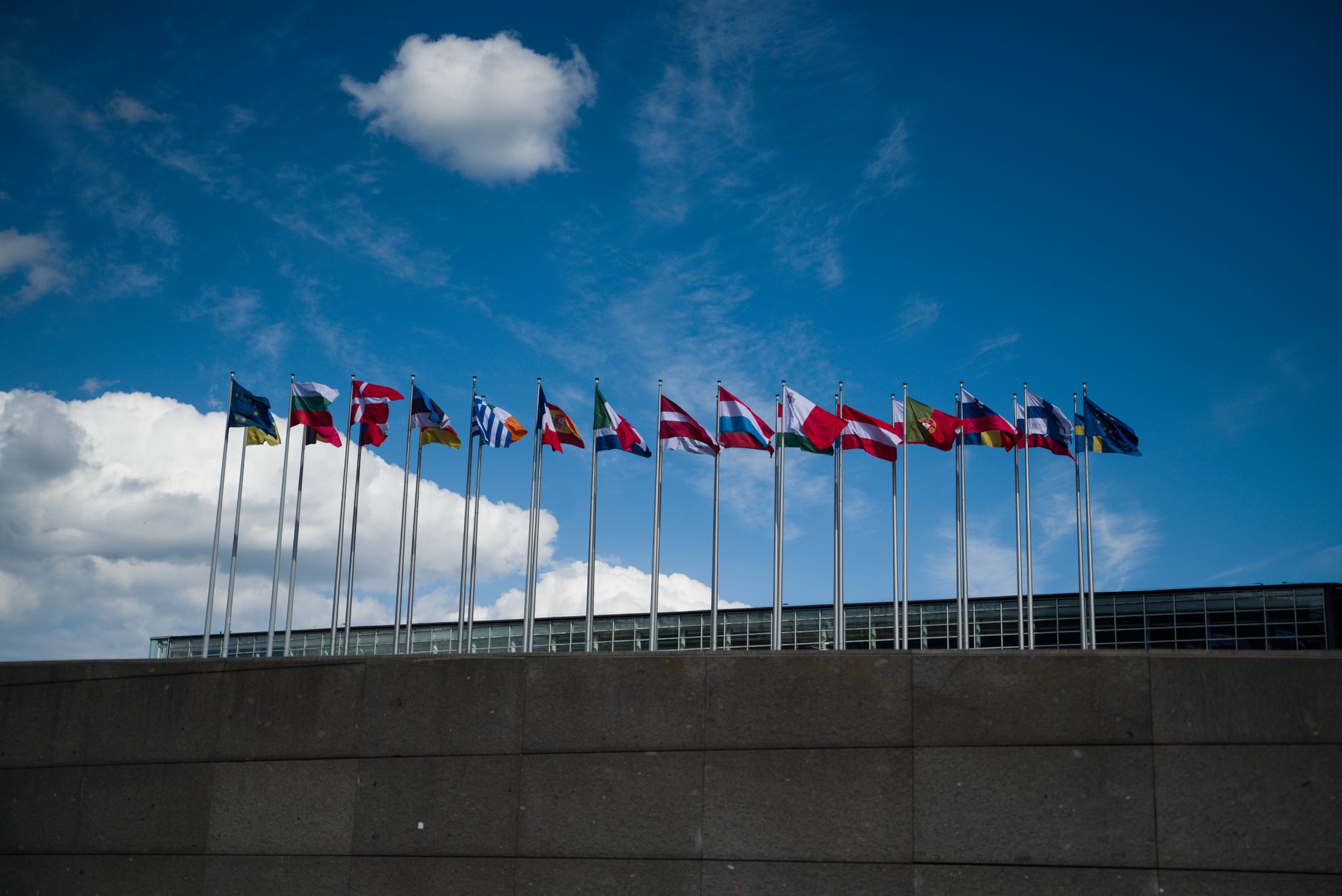
Photo by Tim Diercks on Pexels
Read the original
Related stories
Zhang Yiming Richest: The Proven Rise of a Tech Giant · Veilige betaalopties bij Beste Goksites Nederland 2026: wat je moet weten · Säkerhet på casino: vad du bör tänka på när du spelar online