
Houthi rebels port city raises threat to Red Sea shipping
Houthi rebels port city has become a significant concern as they take control of a strategic location in Yemen, raising alarms about Red Sea shipping safety.
Overview of Houthi control in Yemen
The ongoing conflict in Yemen has significantly shifted the balance of power, particularly with the recent developments involving the Houthi rebels. These Iran-backed forces have gained control over a strategic port city, which now raises a considerable threat to Red Sea shipping routes. The city’s strategic location allows the Houthis to potentially disrupt maritime traffic vital for international trade.
Since the beginning of the civil war in Yemen, the Houthis have managed to consolidate their power in various regions, including key ports along the Red Sea coast. This control not only strengthens their military position but also enhances their ability to influence regional trade dynamics.
The implications of this control are profound. The port city, now under Houthi rebels, serves as a significant hub for the flow of goods and resources. The rebels’ ability to monitor and potentially impede shipping activities poses risks not only to local economies but also to global maritime security.
As tensions escalate, several countries have expressed concerns over the potential for increased conflict in the region. The international community remains vigilant, recognizing the need for diplomatic solutions to address the threat posed by the Houthi rebels in the port city and its impact on the broader Red Sea shipping lanes.
Impact on Red Sea shipping routes
The recent takeover of a key port city by the Houthi rebels has heightened concerns regarding the safety of shipping routes in the Red Sea. As the Houthis, backed by Iran, consolidate their control, the strategic importance of this port city cannot be overstated. The city serves as a critical junction for maritime trade, and its capture has implications for global shipping traffic.
Experts warn of potential disruptions in the already fragile shipping lanes, which are vital for the movement of goods between Europe, Asia, and the Americas. The Houthi rebels port city could become a flashpoint for conflict, leading to increased military presence from various countries seeking to protect their interests in the region.
Shipping companies are now reassessing their routes and considering rerouting vessels to avoid potential skirmishes. The risks associated with passing near the Houthi-controlled areas may lead to higher shipping costs and delays, impacting global supply chains.
Additionally, there are concerns that the Houthis might use their newfound influence to engage in acts of piracy or to threaten vessels passing through these crucial waterways. The international community is closely monitoring the situation, urging diplomatic solutions to ensure the stability and security of Red Sea shipping routes.
International response to Houthi advances
The recent capture of a strategic port city by Houthi rebels has prompted significant international concern regarding the implications for maritime security in the Red Sea. The following points outline key aspects of the global response to this escalating situation:
- Diplomatic Efforts: Various nations, including the United States and Saudi Arabia, have called for urgent diplomatic solutions to address the threat posed by Houthi advances. The aim is to foster dialogue among conflicting parties to ensure the safety of shipping routes.
- Military Preparedness: In response to the heightened risk of disruption, several countries are reassessing their naval deployments in the Red Sea region. This includes increased surveillance and patrols to deter potential Houthi attacks on commercial vessels.
- Humanitarian Concerns: While military actions are being considered, international organizations emphasize the importance of protecting civilian lives in Yemen. Aid groups are advocating for a ceasefire to allow humanitarian assistance to reach affected populations.
- Regional Alliances: Countries bordering the Red Sea are strengthening alliances to counter the influence of Houthi rebels in the region. Collaborative efforts aim to safeguard trade routes and maintain stability.
The situation remains fluid as nations work to balance security needs with humanitarian obligations in the face of Houthi advances.
Historical context of the Yemen conflict
The conflict in Yemen has deep historical roots, tracing back to long-standing political, social, and economic grievances among various factions. The Houthi rebels, who emerged in the early 2000s, are part of a Shiite Muslim minority group known as the Zaidis. Their initial aims focused on cultural and religious preservation, but over time, they evolved into a formidable political and military force.
The situation intensified in 2014 when the Houthis took control of the capital, Sana’a, leading to the ousting of the internationally recognized government. This move drew various regional powers into the conflict, with Saudi Arabia and a coalition of allies intervening militarily in 2015. The ensuing war has resulted in a devastating humanitarian crisis, affecting millions of civilians.
In recent years, the strategic significance of the Houthi rebels port city has become evident as they gained control over critical coastal areas. This development has heightened concerns regarding maritime security in the Red Sea, a vital shipping route for global trade. The ongoing conflict continues to draw international attention, with calls for diplomatic solutions becoming increasingly urgent as the situation evolves.
Potential economic implications
The recent takeover of a strategic port city by Houthi rebels has raised significant concerns about potential economic implications for the region and beyond. As the rebels consolidate their control, experts warn that the stability of Red Sea shipping routes could be jeopardized, impacting global trade.
One of the primary concerns is the disruption of maritime traffic, which is vital for the transport of goods between Europe, Asia, and the Americas. The port city, now under Houthi control, serves as a critical waypoint for vessels navigating these busy waters. With increased military activity in the area, shipping companies may face elevated risks, leading to higher insurance premiums and shipping costs.
The potential for a blockade or heightened piracy in the Red Sea could also deter foreign investment and trade partnerships, particularly for nations reliant on secure shipping lanes. Economists predict that this instability may lead to a ripple effect, influencing prices of oil and other commodities that rely on these routes.
Furthermore, neighboring countries could feel the economic strain as they grapple with the fallout from disrupted trade, making the situation in the Houthi rebels port city a pressing issue for regional stability.
Future outlook for regional stability
The future outlook for regional stability remains precarious following the recent capture of the strategic port city by Houthi rebels. As these Iran-backed militants consolidate their control, the implications for maritime security and international trade routes in the Red Sea become increasingly concerning.
Experts suggest that the Houthi rebels’ port city enhances their ability to disrupt shipping lanes, particularly for oil tankers and commercial vessels. This development could lead to higher insurance costs and increased shipping times, affecting global supply chains. Additionally, the potential for escalated military engagements in the region raises fears of wider conflict.
Countries reliant on Red Sea shipping routes may need to reassess their maritime security strategies. Possible responses could include increased naval presence in the area or diplomatic efforts to address the underlying tensions. Moreover, the situation calls for a unified international approach to mitigate the risks posed by the Houthi rebels’ actions.
In light of these dynamics, regional powers and international stakeholders must navigate the complexities of the conflict while seeking to stabilize the situation. The future of regional stability hinges on the ability to manage the threats emanating from the Houthi rebels’ port city, which could have far-reaching consequences for all involved.
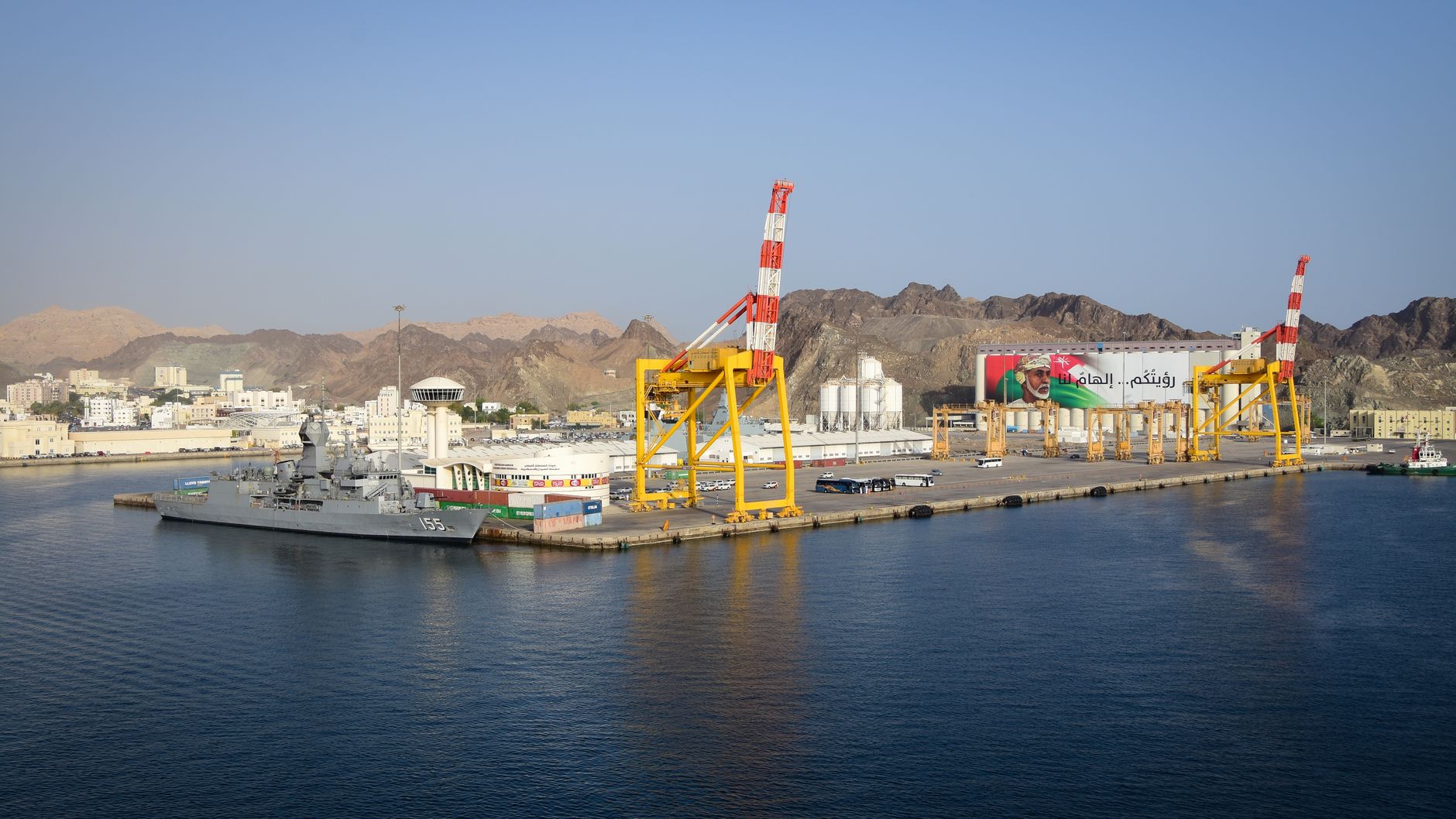
The strategic location of the Houthi rebels port city has raised concerns among international shipping companies. Increased military activity around the Houthi rebels port city could disrupt vital trade routes in the Red Sea.
Photo by Joerg Hartmann on Pexels
Where this came from
You might also like
India vs Bangladesh: Is This the Best Women’s Asia Cup Semifinal? · Neha Kakkar’s Jibe: The Right Way to Address Rivalry · Stocks Slip: The Worst Day for Investors This Week