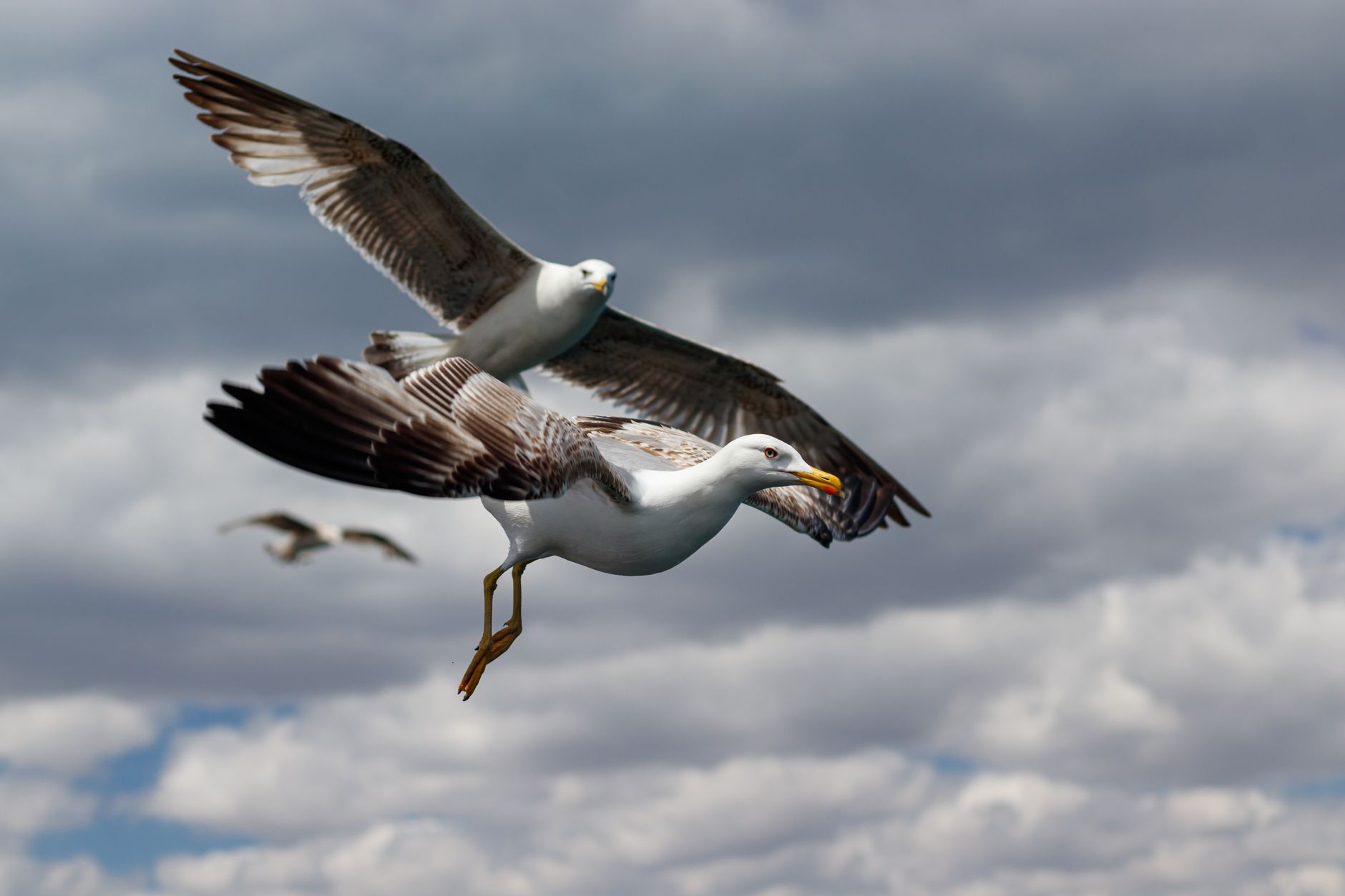
Crunchy seabirds reveal grim environmental truths
Crunchy seabirds are becoming crunchier than ever before, and the reason is quite grim. This alarming trend points to serious environmental issues affecting their habitats and survival.
The rise of crunchy seabirds
The rise of crunchy seabirds has become a concerning phenomenon, highlighting the precarious state of marine ecosystems. As these birds adapt to their changing environments, their increased crunchiness is indicative of a more serious issue. This transformation is largely attributed to the declining availability of traditional food sources.
Several factors contribute to this grim reality:
- Climate change: Altered temperatures and weather patterns disrupt breeding and feeding habits.
- Pollution: Contaminants in the ocean affect the health of fish and, subsequently, the seabirds that rely on them.
- Overfishing: Depleting fish populations limits food availability, forcing seabirds to adapt in unexpected ways.
The rise of crunchy seabirds is more than a curious observation; it serves as a stark reminder of the urgent need for environmental awareness and conservation efforts.
What causes crunchiness in seabirds?
The phenomenon of crunchy seabirds is primarily attributed to environmental stressors affecting their habitats. Several factors contribute to this alarming trend:
- Climate change: Rising temperatures and shifting weather patterns disrupt food availability, leading to malnourished birds.
- Pollution: Toxic substances in oceans, including plastics and chemicals, can cause deformities and health issues in seabirds.
- Overfishing: Depletion of fish stocks limits the food source for seabirds, resulting in weakened and unhealthy populations.
- Habitat destruction: Coastal development and oil spills have reduced nesting grounds, further endangering seabird survival.
As these factors combine, they create a dire situation for seabirds, leading to the emergence of crunchy seabirds that reflect the broader environmental crisis.
Impact of climate change on seabirds
Recent studies have shown that climate change is having a devastating impact on seabird populations, leading to an alarming increase in what researchers are calling crunchy seabirds. As ocean temperatures rise, the availability of food sources such as fish and plankton diminishes, forcing seabirds to adapt in ways that can compromise their health and survival.
In particular, the stress caused by changing habitats and food shortages can lead to a higher incidence of dehydration and malnutrition among seabirds. The result is a physical condition that some researchers describe as “crunchiness,” where the birds’ bodies become emaciated and brittle.
The situation is exacerbated by rising sea levels, which threaten to destroy nesting sites and disrupt breeding patterns. As these environmental changes continue, the future of seabirds hangs in the balance, making crunchy seabirds a troubling indicator of broader ecological decline.
Conservation efforts for seabirds
Efforts to conserve seabird populations have become increasingly urgent as the phenomenon of crunchy seabirds reveals deeper environmental issues. Various organizations are actively working to mitigate the risks faced by these birds, which are often indicators of ocean health.
Key conservation strategies include:
- Habitat protection: Safeguarding nesting sites and feeding grounds is crucial for seabird survival.
- Legislation: Enforcing stricter regulations on fishing practices can help reduce bycatch and overfishing, which threaten seabird populations.
- Public awareness: Educational campaigns aim to inform the public about the significance of seabirds and the environmental changes that lead to their crunchiness.
- Research: Ongoing scientific studies seek to understand the causes behind the rising numbers of crunchy seabirds and develop effective interventions.
Combined efforts are essential to reverse the alarming trend and ensure a sustainable future for seabirds and their ecosystems.
The role of seabirds in the ecosystem
Seabirds play a crucial role in maintaining the health of marine ecosystems. As apex predators, they help regulate fish populations and contribute to nutrient cycling through their droppings. However, the alarming rise of crunchy seabirds serves as a stark warning about the state of our oceans and the delicate balance of life within them.
These birds are not only indicators of environmental health but also act as essential agents for controlling the populations of marine organisms. Their feeding habits influence the distribution of nutrients in the ocean, impacting everything from plankton to larger fish species. The decline of healthy seabird populations can lead to an overabundance of certain fish, which disrupts the entire food web.
Understanding the interconnectedness of seabirds and their environment is vital for effective conservation strategies aimed at preserving marine biodiversity.
Public awareness and education
Public awareness surrounding the phenomenon of crunchy seabirds has become increasingly crucial as environmental concerns mount. Many individuals remain unaware of the implications of these changes in seabird populations, which reflect broader ecological challenges. Education campaigns aimed at highlighting the plight of seabirds can help in fostering a deeper understanding of their role in marine ecosystems and the threats they face.
Key strategies for raising awareness include:
- Community workshops: Engaging local communities in discussions about seabird conservation.
- Social media outreach: Utilizing platforms to share information and updates on seabird health and environmental changes.
- School programs: Educating young people about the importance of seabirds and the concept of crunchy seabirds.
Through increased awareness and education, we can empower individuals to take action and advocate for the conservation of these vital species.
Future prospects for seabird populations
The future prospects for seabird populations remain bleak as environmental challenges intensify. Crunchy seabirds, emblematic of broader ecological issues, are increasingly threatened by habitat loss, pollution, and climate change. Experts warn that without immediate action, many seabird species may face extinction within the next few decades.
Several factors contribute to this dire outlook:
- Overfishing: Depletion of fish stocks disrupts food sources for seabirds.
- Plastic pollution: Ingestion of plastic debris can lead to health issues and death.
- Climate change: Altered weather patterns affect breeding and feeding grounds.
Conservation efforts are crucial, yet they require global cooperation and funding. If communities prioritize the health of marine ecosystems, there’s hope for reversing trends that lead to crunchy seabirds, enabling these vital species to thrive once more.
Conclusion: Urgent action needed
As we delve into the alarming trend of crunchy seabirds, it becomes evident that urgent action is necessary to address the underlying environmental issues. The increasing crunchiness of these birds is not merely a peculiar phenomenon; it serves as a harbinger of broader ecological distress. Conservationists stress the importance of immediate interventions to mitigate the effects of climate change, habitat destruction, and pollution.
To safeguard seabird populations, a multi-faceted approach is essential. This includes:
- Strengthening marine protected areas to preserve critical habitats.
- Implementing stricter regulations on fishing practices to reduce bycatch.
- Raising public awareness about the plight of seabirds and the importance of biodiversity.
Ultimately, the fate of crunchy seabirds is intertwined with the health of our oceans, making it imperative that we take decisive action now.
Photo by Muamer Ramovic on Pexels
Read the original
You might also like
AI community navigator: The Best Proven Tool for Engagement · Pinup: seguridad y fiabilidad en tus apuestas en línea · Fruit Cocktail casino: cómo iniciar tu experiencia de juego de forma segura


One thought on “Crunchy seabirds reveal grim environmental truths”