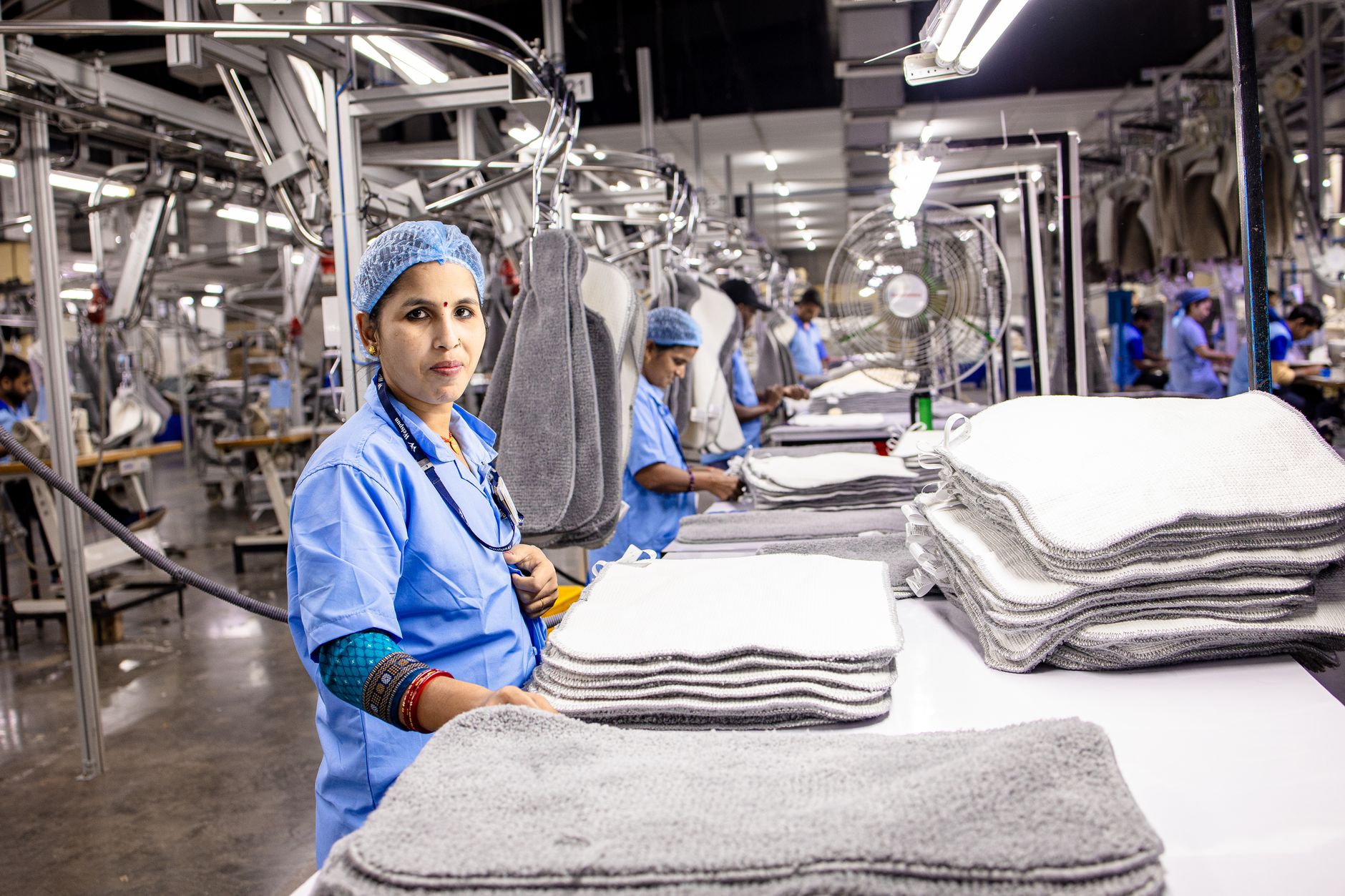
India Manufacturing Sector Shows Clear Progress Under BHAVYA
India manufacturing sector is undergoing significant changes under the BHAVYA scheme, which aims to enhance productivity and competitiveness throughout the industry.
Overview of the BHAVYA Scheme
The BHAVYA scheme, launched by the Indian government, aims to significantly enhance the capabilities of the country’s manufacturing sector. This initiative is a response to the growing need for modernization and competitiveness in the global market.
Under the BHAVYA scheme, several key objectives are being pursued:
- Investment in Technology: The scheme promotes the adoption of advanced technologies to increase efficiency and productivity.
- Skill Development: Emphasis is placed on training the workforce to equip them with the necessary skills for modern manufacturing processes.
- Infrastructure Development: The initiative aims to improve industrial infrastructure, making it more conducive for manufacturing operations.
- Support for Startups: BHAVYA encourages innovation by providing support and resources to emerging manufacturing startups.
As a result of these efforts, stakeholders in the India manufacturing sector are beginning to witness structural changes, leading to enhanced output and a more sustainable approach to production. This scheme is expected to play a vital role in positioning India as a global manufacturing hub.
Impact on India’s Manufacturing Sector
The implementation of the BHAVYA scheme has significantly influenced the India manufacturing sector, marking a transformative phase in its growth trajectory. This initiative aims to enhance operational efficiency and foster innovation across various industries.
Key impacts observed include:
- Increased Investment: The scheme has attracted both domestic and foreign investments, leading to the establishment of new manufacturing units.
- Technological Advancements: BHAVYA promotes the adoption of cutting-edge technologies, enabling manufacturers to improve productivity and reduce waste.
- Skill Development: Training programs initiated under BHAVYA equip the workforce with necessary skills, ensuring they meet the evolving demands of the industry.
- Sustainability Initiatives: The scheme encourages the adoption of sustainable practices, pushing the sector towards greener manufacturing solutions.
Overall, the BHAVYA scheme is not only revitalizing the India manufacturing sector but also positioning it as a key player in the global market. The structural changes initiated promise long-term benefits, fostering a robust industrial landscape.
Key Features of the BHAVYA Initiative
The BHAVYA initiative has introduced several key features aimed at revitalizing the India manufacturing sector and ensuring sustainable growth. These features include:
- Financial Support: The initiative provides substantial financial assistance to small and medium enterprises (SMEs) to enhance their production capabilities.
- Technology Upgradation: BHAVYA encourages the adoption of advanced technologies, ensuring that manufacturers remain competitive on a global scale.
- Skill Development Programs: The program focuses on training the workforce, equipping them with necessary skills to meet the evolving demands of the manufacturing landscape.
- Infrastructure Development: Investment in infrastructure, such as industrial parks and logistics facilities, is a priority to support the growth of the manufacturing sector.
- Market Access: The initiative aims to improve market access for manufacturers by facilitating better connections between suppliers and consumers.
Through these features, the BHAVYA initiative seeks to create a robust framework that not only promotes innovation within the India manufacturing sector but also fosters long-term economic stability.
Challenges Faced by Manufacturers
The India manufacturing sector has seen significant advancements under the BHAVYA scheme; however, manufacturers still face numerous challenges that hinder further growth and development. These obstacles can impede the overall effectiveness of the initiative and the goals set for the industry.
One major challenge is the rapid pace of technological change. Manufacturers must continuously adapt to new technologies, which can be costly and require specialized training for the workforce. Additionally, the lack of a well-established supply chain can create bottlenecks, leading to delays in production and increased operational costs.
Moreover, regulatory compliance poses another hurdle. Navigating complex regulations and obtaining necessary permits can be time-consuming and may deter investment in the sector. Manufacturers also grapple with fluctuating raw material prices, which can impact profit margins and pricing strategies.
To address these challenges, stakeholders must collaborate to create a more conducive environment for the India manufacturing sector, focusing on streamlined processes and improved infrastructure. Only by overcoming these obstacles can the full potential of the BHAVYA scheme be realized.
Future Prospects for the Industry
The future of the India manufacturing sector appears promising as the BHAVYA scheme continues to unfold its potential. With significant investments and a strategic focus on innovation, the initiative is set to transform manufacturing practices across the country.
As companies adapt to the new framework, several key trends are likely to emerge:
- Increased Automation: The integration of advanced technologies will lead to greater efficiency and productivity within manufacturing plants.
- Sustainability Initiatives: A shift towards environmentally friendly practices will not only comply with global standards but also appeal to eco-conscious consumers.
- Skill Development: The emphasis on training and upskilling workers will ensure that the workforce is equipped to handle new tools and methodologies.
- Global Market Expansion: With enhanced capabilities, Indian manufacturers are poised to penetrate international markets more effectively.
In conclusion, the outlook for the India manufacturing sector is bright, with continued support from government initiatives like BHAVYA, ensuring sustainable growth and competitiveness in the global arena.
Government Support and Policies
The Indian government has implemented a series of supportive measures and policies aimed at bolstering the manufacturing sector, particularly under the BHAVYA initiative. This comprehensive approach not only seeks to enhance productivity but also aims to create a more conducive environment for growth. Key government actions include:
- Financial Incentives: The introduction of various financial aid programs to help manufacturers upgrade technology and expand operations.
- Streamlined Regulations: Efforts to simplify regulatory frameworks, reducing bureaucratic hurdles and promoting ease of doing business.
- Skill Development Programs: Initiatives aimed at training the workforce to meet the evolving demands of the manufacturing sector.
- Infrastructure Development: Investments in infrastructure to support logistics and supply chain management, crucial for a robust manufacturing environment.
These policies reflect a commitment to fostering innovation and competitiveness within India’s manufacturing sector. As the BHAVYA scheme continues to roll out, stakeholders are optimistic that these measures will lead to sustainable growth and reinforce India’s position as a global manufacturing hub.
Case Studies of Successful Implementation
The India manufacturing sector has witnessed remarkable improvements through the implementation of the BHAVYA scheme, with several case studies highlighting successful outcomes. Manufacturers across various domains have adopted innovative practices that align with the initiative’s objectives.
-
Electronics Manufacturing:
A leading electronics firm reported a 30% increase in production efficiency after integrating smart automation tools. This transformation not only reduced costs but also enhanced product quality, positioning the company as a competitive player in the global market.
-
Textile Industry:
A textile manufacturer utilized BHAVYA funding to upgrade its machinery, resulting in a 25% reduction in waste. This initiative not only improved the sustainability of operations but also attracted environmentally conscious consumers.
-
Automobile Sector:
An automobile company successfully launched an electric vehicle line, driven by incentives provided under the BHAVYA scheme. This strategic move has significantly boosted the firm’s market share and aligned with India’s green energy goals.
These case studies reflect how the India manufacturing sector is evolving, demonstrating the positive impact of targeted government initiatives.
Conclusion and Next Steps
In conclusion, the progress observed in the India manufacturing sector under the BHAVYA initiative is a testament to the government’s commitment towards enhancing industrial capabilities. The scheme has not only streamlined operations but has also fostered innovation and competitiveness among manufacturers.
As we move forward, several next steps are crucial to sustaining this growth:
- Continuous Training: Emphasizing skill development programs to equip the workforce with the latest technological advancements.
- Enhanced Collaboration: Encouraging partnerships between the government, private sector, and educational institutions to drive research and development.
- Monitoring and Evaluation: Implementing robust systems to assess the impact of the BHAVYA scheme regularly and make necessary adjustments.
- Focus on Sustainability: Promoting eco-friendly manufacturing practices to align with global standards and enhance the sector’s reputation.
With the right strategies and ongoing support, the India manufacturing sector is poised to become a global leader, fostering economic growth and job creation in the years to come.
Photo by EqualStock IN on Pexels