Half Moon Crossbody The Row Leather Tote
Out of the Show Space and Into the Street: Charting The Row’s Sartorial Progression
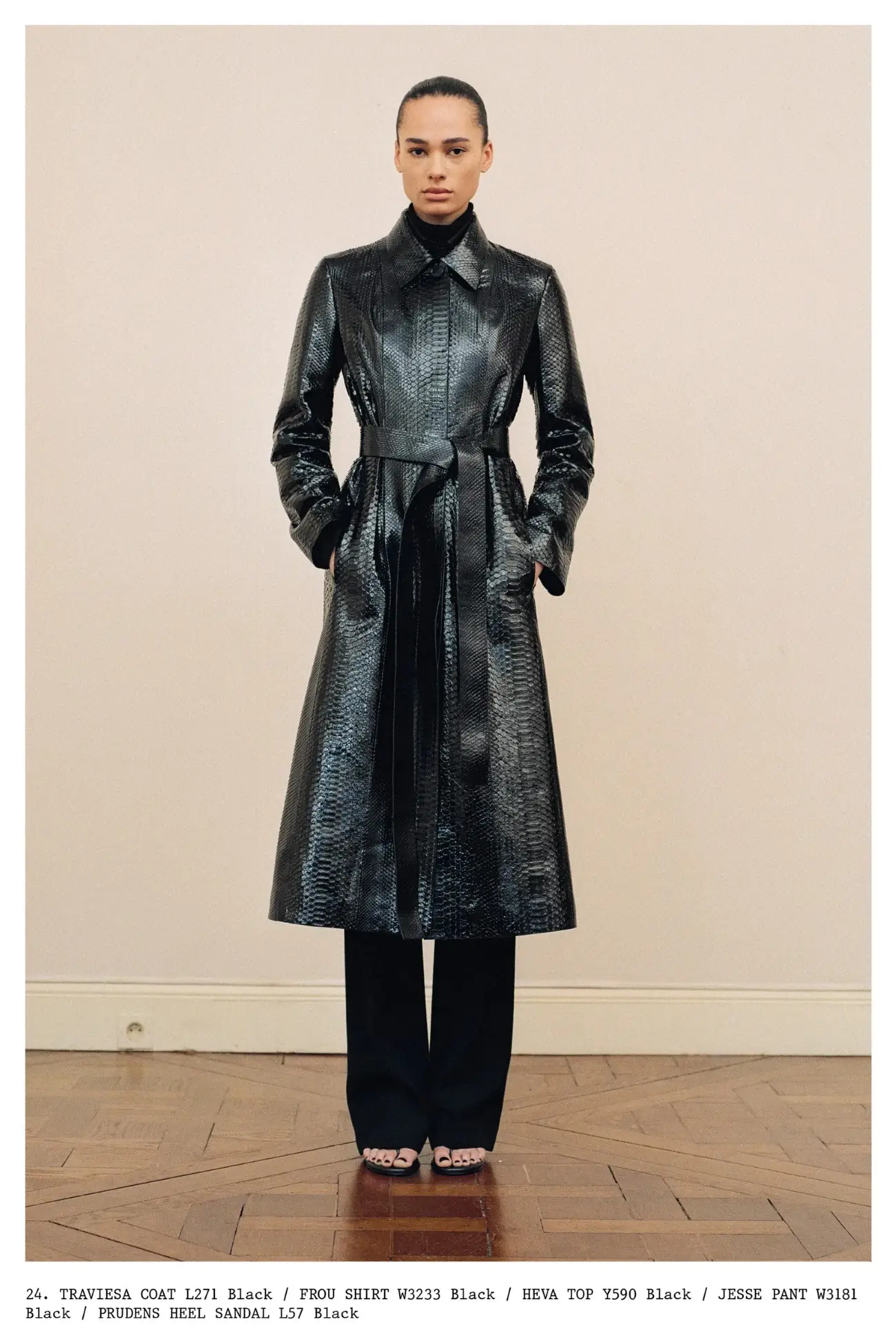
This label inhabits a strange and enviable position in fashion. Founded by Mary-Kate and Ashley Olsen in 2006, the brand first emerged as a understated response to the din of celebrity fashion lines and has evolved into one of the most powerful voices in low-key luxury. You won’t find a shouting logo on any bag or an obvious brand mark on a lapel, but insiders always know. The Row’s runway shows in Paris are famously sparse and deliberate, often stripped of music or spectacle, letting the clothes and accessories speak for themselves. Such discipline has, ironically, become the brand’s most emphatic statement. Charting how that show-floor minimalism has translated into everyday consumer demand — most notably around row bags and row handbags — reveals nearly everything about fashion’s direction in 2026.
What lends this path its intrigue is the divide separating runway drama from day-to-day practicality. Numerous labels showcase pieces that stay confined to the runway, whereas The Row takes the opposite approach. Its collections are engineered from the outset to be worn, carried, and repeated season after season. This philosophy has turned the row fashion approach into a textbook example of longevity outranking novelty, and it shows most clearly in the brand’s handbag line — now the most searched, discussed, and resold category in its catalogue.
The leather tote bags Formative Period: Minimalism as Defiance
At the time The Row debuted, minimalism was far from the prevailing sensibility it has since become. That era, the mid-2000s, was anything but quiet: logos, ornamentation, low-rise silhouettes everywhere. Set against that landscape, the Olsens brought forth tailored trousers, unbranded leather pieces, and a palette that seldom departed from black, cream, and camel. It took six years for the brand to earn real critical momentum, as fashion editors gradually came to see that its stripped-down construction reflected not a lack of ambition but a wholly different form of craftsmanship.
Those early row bags mirrored this very same philosophy. There was no visible hardware competing for attention, no monogram canvas, just clean lines and dense, high-quality leather. This marked an intentional break from the “it bag” era, an age when instantly recognizable logos fueled most of the desirability. The Row bet that shoppers would eventually tire of overt status symbols and crave something subtler. That bet paid off, but slowly — it took nearly a decade for the wider market to catch up to what the brand was doing.
Stylists and editors had, by the early 2010s, rallied around the label attentively, valuing cut and fabric above logo-driven appeal. Elusive and seldom marked down, these garments stayed expensive, which only deepened their sense of rarity. For almost twenty years, this scarcity model has remained largely intact, clarifying why a genuine row sale is still considered rare rather than an annual given.
Cult Handbags and the Margaux Effect
The Margaux tote is, by most accounts, the one accessory that carried The Row from niche favourite into mainstream obsession. Structured, unfussy, and instantly recognisable to those with an eye for such things, the Margaux emerged as shorthand for understated wealth. Queries about where to buy the row margaux bag spiked repeatedly between 2019 and 2023, and by 2026 it continues to be one of the most requested styles among personal shoppers and resale platforms alike.
Versatility is central to the Margaux’s appeal. It comes across as a office bag, a travel companion, and an off-duty carryall depending on how it’s styled, which accounts for why it consistently features on lists of the best row bags. In contrast to many designer totes, which prioritise shape over function, the Margaux was designed around truly functional interior space, a detail practical buyers value just as much as aesthetes do.
Aside from the Margaux, a handful of other pieces have attained cult-like standing. Its smaller top-handle designs and softly structured shoulder bags frequently show up in round-ups covering the top row bags of the past five years. What ties them together isn’t a single silhouette but a consistent design language: minimal hardware, considered proportions, and leather that ages well and gains character rather than wearing down badly. As a result, the resale market for row bags unusually resilient — buyers hold onto them rather than flipping them quickly, which maintains tight supply alongside steady demand.
Reading the Numbers: Popularity and Pricing
Data from resale platforms and search trend trackers provides a practical, data-backed view of how The Row’s accessories business has progressed. Demand for row tote bags has grown steadily rather than spiking unpredictably, which is uncommon in a fashion market often driven by viral moments. That steadiness suggests the appeal is built into the product itself — grounded in ongoing loyalty and sustained satisfaction — rather than short-lived, trend-fuelled excitement.
The table below lays out general positioning across three commonly referenced style categories within The Row’s handbag range, based on openly available characteristics rather than fabricated numbers.
| Type of Design | How It’s Usually Worn | Secondhand Interest Level | Style Identifying Trait |
|---|---|---|---|
| Structured Tote Bags (e.g., Margaux) | Everyday use, commuting, and office settings | Elevated | Defined contour paired with minimal metal accents |
| Loose-Structured Shoulder Carries | Night-Out plus casual styling | Mid-to-Elevated | Relaxed leather form with minimal strap styling |
| Small-Scale Top-Handles | Layered outfits and casual runs | Mid-Level | Petite proportions, tidy seams |
This type of side-by-side breakdown is useful for anyone running a row bags overview prior to committing to a purchase, since the categories diverge in terms of both everyday practicality and long-term resale value. Structured totes tends to hold value most reliably because they’re the most in-demand and frequently pictured, while the compact top-handle style is valued more for adaptability than resale upside.
How Off-Duty Fashion Shapes Demand
While the runway sets the tone, it’s off-duty style that solidifies a bag’s place in culture. Street-style shooters and paparazzi have spent years documenting editors, stylists, and off-duty models carrying the row bag of the moment outside shows in Paris, Milan, and New York. These candid images have possibly done more to stoke interest in the row handbags than formal campaign imagery ever could, because they reveal the products working in everyday settings — slung over a shoulder, tucked under an arm, worn with jeans instead of couture.
This organic visibility has sparked a feedback loop. As more street-style images circulate, more shoppers hunt for specific styles, which drives up resale prices, which in turn heightens the sense of exclusivity of owning the bag in the first place. It’s a self-reinforcing cycle that few brands manage to sustain for more than a few seasons, yet The Row has sustained it for nearly two decades without needing attention-grabbing marketing campaigns to sustain it.
Style critics have also noted that The Row rarely relies on gifting bags to celebrities or influencers in the way many modern brands do. Most of this exposure appears organic, built from genuine personal purchases rather than sponsored deals. Regardless of whether each case is truly unpaid, the brand’s public image benefits from appearing authentic rather than commercially driven, which matters a great deal to the quiet-luxury shopper who is often distrustful of overt advertising.
How The Row Is Positioned Heading Into 2026
Entering 2026, The Row shows no signs of loosening its grip on the quiet-luxury segment. If anything, competitors have spent the last few years attempting to copy its formula — understated branding, premium materials, restrained runway presentations — with mixed success. Few have matched the consistency of The Row’s design language across seasons, which remains its greatest competitive advantage.
Markdowns on genuine row items are rare and usually modest in scale, something shoppers searching for a sale should keep in mind; these discounts tend to surface around seasonal clearance, not through steep discounting.
This deliberate rarity is purposeful and has maintained the label’s market stance steady even as broader luxury markets have wrestled with inflationary pricing pressure and fluctuating buyer attitudes.
Rather than a radical overhaul, looking forward points to continued expansion of the accessories range. The brand’s expansion strategy has long favoured incremental refinement over disruption, layering in new color variations or subtle structural tweaks to established best-selling styles instead of chasing trend cycles. That consistency is precisely the point for those building a long-term wardrobe around timeless pieces — and that’s the reason The Row’s evolution from runway curiosity to real-world wardrobe fixture still feels less like a fleeting trend and more like a lasting change in how quiet luxury is characterized.