 11
11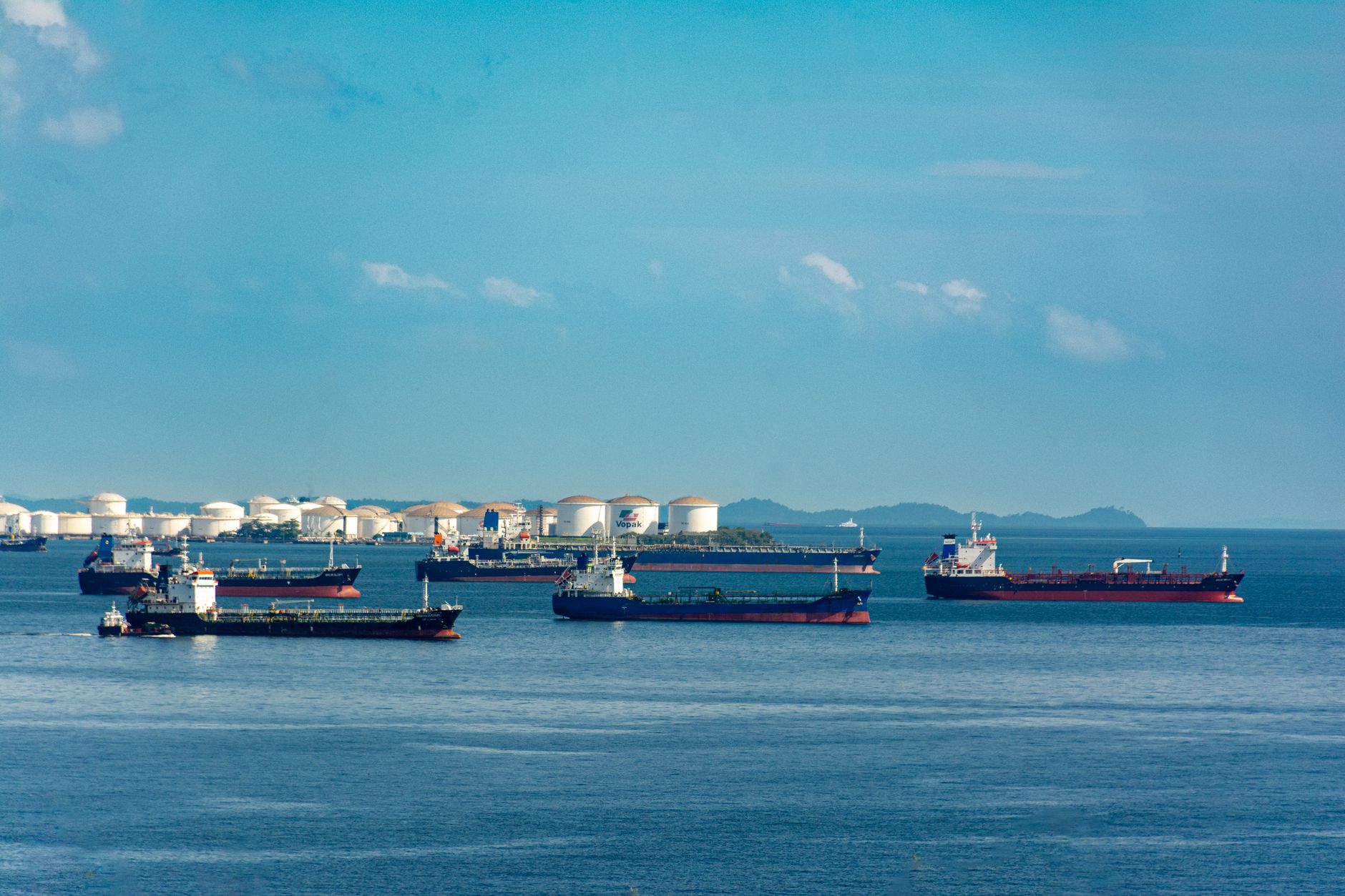
Iran tankers catch fire after hitting mines in the Strait of Hormuz, highlighting the ongoing tensions in the region and potential threats to maritime navigation.
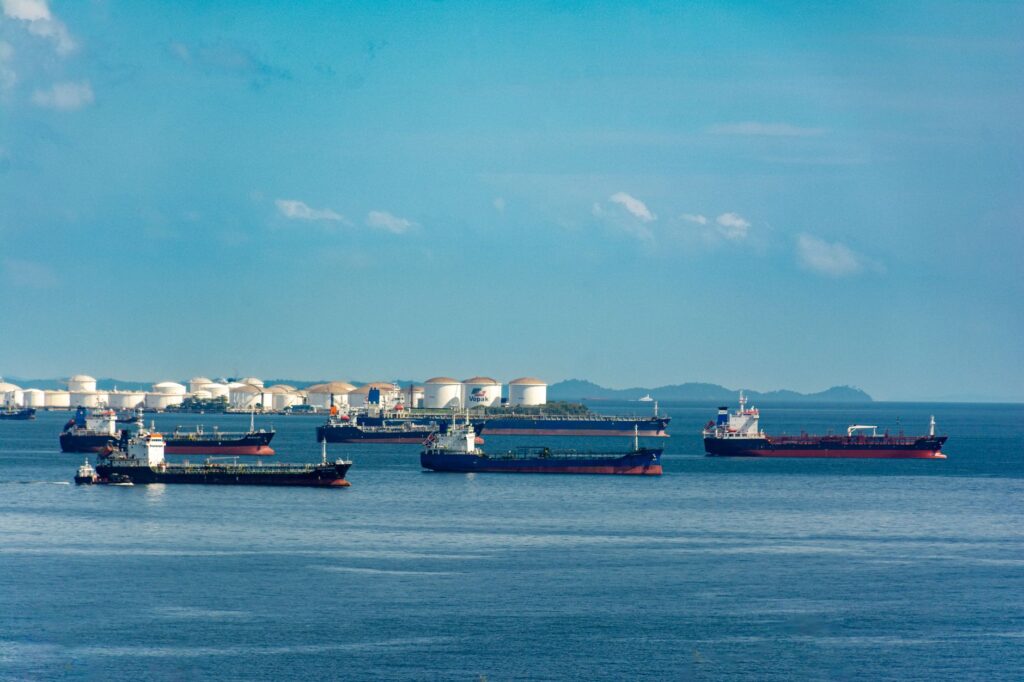
In a shocking incident in the Strait of Hormuz, two Iranian tankers caught fire after reportedly hitting mines. This event marks one of the worst maritime disasters in the region’s recent history. The tankers were navigating through one of the world’s most crucial shipping routes when they encountered the deadly explosives. Eyewitnesses described seeing massive plumes of smoke rising from the vessels as emergency crews rushed to the scene.
The Iranian government has confirmed the incidents, stating that investigations are underway to determine the exact cause of the explosions. Early reports suggest that the tankers were not only carrying oil but also other hazardous materials, raising concerns about potential environmental impacts in the delicate marine ecosystem.
Local authorities have issued warnings to other vessels in the area, advising them to maintain a safe distance. The Strait of Hormuz is a vital passage for global oil shipments, and such incidents could have significant implications for international trade and security.
The recent incident where Iran tankers catch fire has raised significant concerns regarding maritime trade in the region. The Strait of Hormuz is a critical artery for global oil supplies, with approximately 20% of the world’s oil passing through it daily. The fire on these tankers not only poses a risk to the vessels involved but also threatens to disrupt shipping routes.
Industry experts warn that such incidents can lead to heightened tensions in the region, potentially causing shipping companies to reconsider their routes. This could result in:
With the ongoing geopolitical tensions and now the additional threat of maritime disasters, the implications for international trade could be severe if such incidents continue to occur.
In the wake of the recent incident where Iran tankers caught fire after reportedly hitting mines in the Strait of Hormuz, international reactions have been swift and varied. Several countries have expressed their concerns over the implications of this event on maritime safety and regional stability.
As the situation unfolds, the global community remains attentive to developments that could further impact maritime trade and security in the region.
The recent incident in the Strait of Hormuz, where Iran tankers catch fire, has raised significant concerns regarding maritime safety. In response, various measures are being considered to enhance the security of tankers operating in this critical maritime route.
Safety protocols currently under review include:
Implementing these measures is crucial to prevent future incidents and ensure the safety of maritime operations in the region.
The recent incident involving Iran tankers catching fire has raised significant concerns about the future of shipping in the Strait of Hormuz. This vital waterway, which sees a substantial portion of the world’s oil supply transit through it, may face increasing risks as geopolitical tensions continue to escalate.
Shipping companies are now reassessing their routes and safety protocols to mitigate potential threats. The possibility of further incidents may lead to:
Ultimately, the incident serves as a critical reminder of the vulnerabilities present in one of the world’s busiest maritime corridors, prompting urgent discussions on how to ensure safe passage for all vessels in the region.
The recent incident where Iran tankers catch fire has raised significant concerns about maritime safety in the region. Experts warn that such occurrences could escalate tensions in the already volatile Strait of Hormuz.
Photo by Zifeng Xiong on Pexels
Comprendre les Méthodes de Dépôt chez Rainbet Casino · Nine casino : Options de dépôt sécurisées · Sécurité au Casino Instant : Vérifications Clés