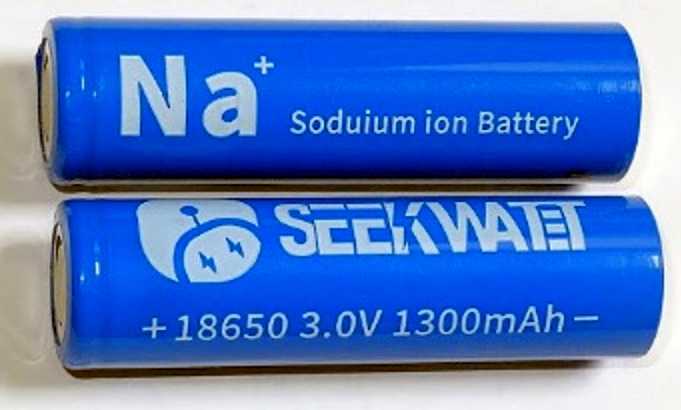
Sodium-Ion Batteries: Are They the Best New Technology?
Sodium-ion batteries could soon change the energy landscape. This innovative technology promises to enhance battery design and efficiency, making it a topic of great interest.
What Are Sodium-Ion Batteries?
Sodium-ion batteries are emerging as a promising alternative to conventional lithium-ion batteries. These batteries utilize sodium ions as a charge carrier, which distinguishes them from their lithium counterparts. The primary advantage of sodium-ion technology lies in the abundance and low cost of sodium, making it a more sustainable option for energy storage solutions.
The basic operation of sodium-ion batteries involves the movement of sodium ions between the anode and cathode during the charging and discharging cycles. This process is similar to that of lithium-ion batteries, yet the different chemical properties of sodium lead to unique challenges and benefits.
- Cost-Effective Resource: Sodium is more readily available and less expensive than lithium, which can significantly reduce production costs.
- Environmental Impact: The mining and extraction of sodium have a lower environmental footprint compared to lithium, making sodium-ion batteries a greener choice.
- Performance Potential: Researchers are exploring ways to enhance the energy density and lifespan of sodium-ion batteries, aiming to improve their viability for widespread use.
As advancements continue in the field, experts believe that sodium-ion batteries could play a pivotal role in the future of energy storage technologies.
How AI Models Enhance Battery Design
Artificial intelligence (AI) is poised to play a transformative role in the development of sodium-ion batteries, enhancing their design and performance. By leveraging advanced algorithms, researchers can analyze vast datasets, leading to more efficient battery materials and architectures.
One of the key advantages of AI models is their ability to predict the properties of new compounds before they are synthesized. This predictive capability allows scientists to identify promising candidates for sodium-ion batteries, speeding up the research and development process. Some of the specific ways AI enhances battery design include:
- Material Discovery: AI can help discover new materials that improve battery capacity and lifespan.
- Optimization: Algorithms can optimize battery configurations, enhancing energy density and charge times.
- Simulation: AI models simulate battery behavior under various conditions, providing insights that guide real-world testing.
As the demand for sustainable energy storage grows, the integration of AI in the design of sodium-ion batteries could lead to breakthroughs that make these batteries more competitive with traditional lithium-ion options. The synergy between AI and battery technology represents a significant step toward a more energy-efficient future.
Benefits of Sodium-Ion Batteries
Sodium-ion batteries are emerging as a promising alternative to traditional lithium-ion batteries, offering several key benefits that could reshape the energy landscape. One of the most significant advantages is their abundance and low cost. Sodium is widely available and inexpensive compared to lithium, making sodium-ion batteries a more sustainable and economically viable option for large-scale energy storage.
Additionally, sodium-ion batteries boast enhanced safety features. They are less prone to overheating and combustion, which makes them a safer choice for various applications, including electric vehicles and grid storage. This improved safety profile can lead to greater consumer confidence and wider adoption.
Another benefit is their performance in low temperatures. Sodium-ion batteries maintain stable performance even in colder climates, where lithium-ion batteries can struggle. This characteristic enhances their usability across diverse environments, making them adaptable for a broader range of applications.
Moreover, ongoing advancements in battery technology are continuously improving the efficiency and lifespan of sodium-ion batteries. With AI models contributing to innovative designs, the future looks promising for this technology. In summary, sodium-ion batteries represent a significant step forward in energy storage solutions, combining cost-effectiveness, safety, and performance advantages.
Future of Energy Storage Solutions
The future of energy storage solutions is rapidly evolving, with sodium-ion batteries emerging as a promising technology. As the demand for sustainable energy sources grows, researchers are exploring innovative ways to enhance the efficiency and performance of these batteries.
Several factors contribute to the optimism surrounding sodium-ion batteries:
- Abundance of Materials: Sodium is more plentiful and less expensive than lithium, which could lead to lower production costs and increased accessibility.
- Environmental Impact: The production and disposal of sodium-ion batteries are expected to have a smaller environmental footprint compared to traditional lithium-ion batteries.
- Safety: Sodium-ion batteries can operate safely at higher temperatures, reducing the risk of overheating and fires.
As researchers continue to refine the technology, advancements in battery design and efficiency are anticipated. The integration of AI models is expected to further accelerate this progress, potentially revolutionizing the market. With major companies investing in sodium-ion technology, it is becoming clear that this new form of energy storage could play a significant role in the transition to renewable energy sources.
In summary, sodium-ion batteries represent a potential breakthrough that could reshape the future of energy storage solutions, making them a key player in the quest for sustainable energy alternatives.
By Vladimir022009 via Openverse