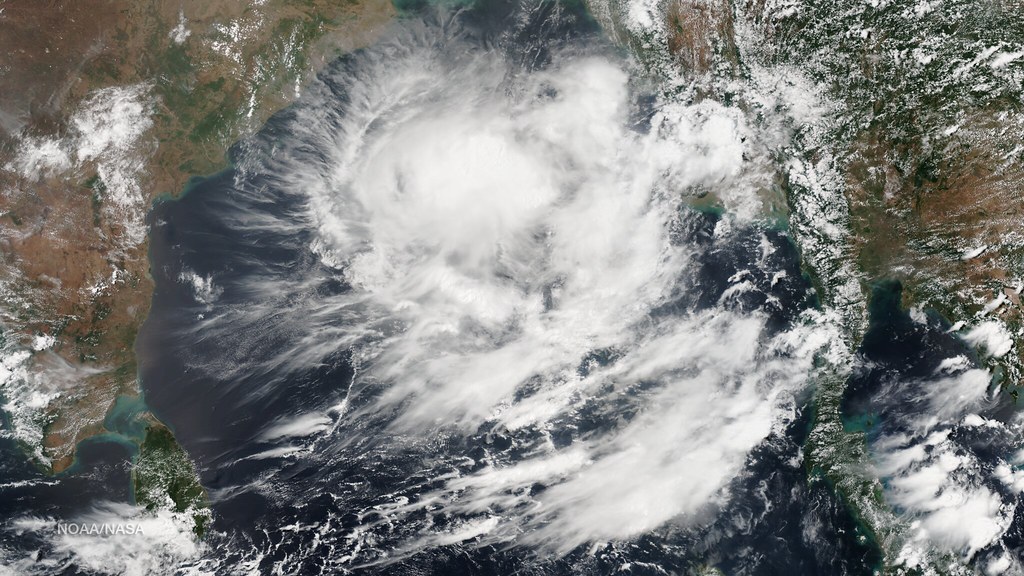
Is the Bay of Bengal cyclonic storm the worst weather threat?
Bay of Bengal cyclonic storm is likely to turn into a significant weather event. Experts are monitoring the situation closely as conditions develop in the region.
Current Weather Conditions
The current weather conditions over the Bay of Bengal are becoming increasingly concerning as experts monitor a low-pressure system that is likely to develop into a cyclonic storm. The Indian Meteorological Department (IMD) has issued alerts for several coastal regions, indicating that the situation could escalate rapidly.
As of now, the low-pressure area is showing signs of intensification, with weather patterns indicating potential wind speeds exceeding 60 km/h. This change in conditions raises alarms for communities living along the coastline. The impending Bay of Bengal cyclonic storm may bring heavy rainfall, strong winds, and the risk of flooding in low-lying areas.
Authorities are advising fishermen to avoid venturing into the sea until the system dissipates or stabilizes. Residents in vulnerable regions are urged to stay updated with weather forecasts and heed warnings issued by local officials. Preparations are underway to ensure safety measures are in place, including:
- Evacuation plans for coastal communities
- Emergency response teams on standby
- Distribution of relief supplies
With the potential for severe weather conditions, the Bay of Bengal cyclonic storm could pose significant challenges for disaster management and recovery efforts in affected areas.
Impacts of Cyclonic Storms
The Bay of Bengal cyclonic storm poses significant threats to coastal regions, affecting millions of lives and livelihoods. The impacts of these storms can be devastating and multifaceted, often leading to severe consequences.
- Heavy Rainfall: Cyclonic storms in the Bay of Bengal can unleash torrential rains, leading to flash floods and waterlogging in low-lying areas.
- Strong Winds: The winds associated with these storms can exceed speeds of 100 km/h, resulting in property damage, uprooted trees, and disrupted power supply.
- Storm Surges: One of the most dangerous impacts is the storm surge, which can inundate coastal areas, causing significant loss of life and infrastructure.
- Displacement: Communities are often forced to evacuate, leading to temporary shelters and increased vulnerability to health risks.
- Economic Loss: The agricultural sector is particularly at risk, with crops destroyed and fishing activities severely hampered, affecting food security.
- Long-Term Effects: Even after the immediate storm passes, the long-term implications can include soil erosion and impacts on livelihoods that take years to recover.
As climate change continues to influence weather patterns, the frequency and intensity of cyclonic storms in the Bay of Bengal are expected to rise, necessitating robust preparedness and response strategies.
Safety Measures to Take
As the Bay of Bengal cyclonic storm approaches, it is crucial for residents in affected areas to take necessary safety measures to ensure their well-being. Here are some key precautions to consider:
- Stay Informed: Regularly check weather updates from reliable sources. Local news channels and official meteorological services provide the latest information about storm developments.
- Emergency Kit: Prepare an emergency kit that includes essential items such as water, non-perishable food, a flashlight, batteries, first aid supplies, and important documents.
- Secure Your Property: If possible, reinforce windows and doors, and secure outdoor objects that could become projectiles during strong winds.
- Evacuation Plans: Know your evacuation routes and have a plan in place for your family. Identify local shelters if you need to leave your home.
- Stay Indoors: When the storm hits, stay indoors and avoid unnecessary travel. Stay away from windows and seek shelter in a small, windowless interior room if conditions worsen.
It is essential to remain calm and prepared as the Bay of Bengal cyclonic storm approaches. By following these safety measures, you can help protect yourself and your loved ones during this severe weather event.
Historical Cyclones in the Bay
The Bay of Bengal has a long history of devastating cyclonic storms, making it one of the most active regions for such weather phenomena. Over the years, numerous storms have wreaked havoc on coastal communities, leading to significant loss of life and property.
Some notable cyclones that have impacted the region include:
- Cyclone Gonu (2007) – Although it primarily affected Oman, Gonu caused severe weather changes in the Bay of Bengal, showcasing the interconnectedness of storms.
- Cyclone Aila (2009) – This storm made landfall in West Bengal, resulting in widespread flooding and displacing thousands of people.
- Cyclone Phailin (2013) – With winds reaching up to 220 km/h, Phailin was one of the strongest cyclones in recent history, causing extensive damage in Odisha.
- Cyclone Fani (2019) – Another powerful storm, Fani impacted millions and led to significant evacuation efforts across eastern India.
These historical cyclones highlight the persistent threat posed by the Bay of Bengal cyclonic storm. As climate change continues to influence weather patterns, the frequency and intensity of such storms may increase, urging communities to remain vigilant.
Forecast for the Upcoming Days
As the Bay of Bengal cyclonic storm approaches, meteorologists are closely monitoring the situation, with forecasts indicating that conditions could worsen in the upcoming days. The low-pressure system currently in the region is expected to intensify, potentially developing into a more severe weather event.
Predictions suggest the following:
- Wind Speeds: Initial estimates indicate that wind speeds may reach up to 100 km/h as the system strengthens.
- Rainfall: Heavy rainfall is anticipated, with some areas expected to receive over 200 mm of rain, leading to possible flooding.
- Coastal Areas: Coastal regions should prepare for storm surges, which could significantly impact low-lying areas, exacerbating flooding risks.
Residents in affected areas are urged to stay informed through local weather updates and advisories. With the potential for rapid changes in weather patterns, authorities are advising communities to have emergency plans in place.
The Bay of Bengal cyclonic storm may pose a significant threat to life and property, making it crucial for individuals to remain vigilant and adhere to safety recommendations provided by local officials.
What to Expect from This Storm
As the low pressure system over the Bay of Bengal intensifies, residents and authorities are bracing for what could be a significant weather event. The Bay of Bengal cyclonic storm is expected to bring heavy rainfall, strong winds, and potentially severe flooding to coastal areas. Here’s what to expect from this developing storm:
- Wind Speeds: Gusts may reach up to 100 km/h, posing a danger to structures and transportation.
- Heavy Rain: Anticipated rainfall could exceed 200 mm in some regions, leading to waterlogging and flash floods.
- Storm Surge: Coastal areas may experience a storm surge of up to 2 meters, which could inundate low-lying areas.
- Disruption: Expect significant disruptions in air and sea travel, with many flights and ferry services likely to be canceled.
- Evacuations: Authorities may issue evacuation orders for vulnerable communities as the storm approaches.
As meteorologists continue to monitor the situation, it is crucial for residents to stay informed through local news and weather updates. Preparedness and vigilance are key to minimizing the impacts of the anticipated Bay of Bengal cyclonic storm.
By NASA Goddard Photo and Video via Openverse